
Pune, Maharashtra
+91-967-309-3778
brixinteriors@gmail.com
Find Us
Omkar Nandan Apartment, A1-202,
Sinhgad Rd, Pune
Pune, Maharashtra 411041
Pune, Maharashtra
+91-967-309-3778
brixinteriors@gmail.com
Find Us
Omkar Nandan Apartment, A1-202,
Sinhgad Rd, Pune
Pune, Maharashtra 411041
290 Maryam Springs 260,
Courbevoie, Paris, France
Interior design is the art and science of enhancing the interiors.
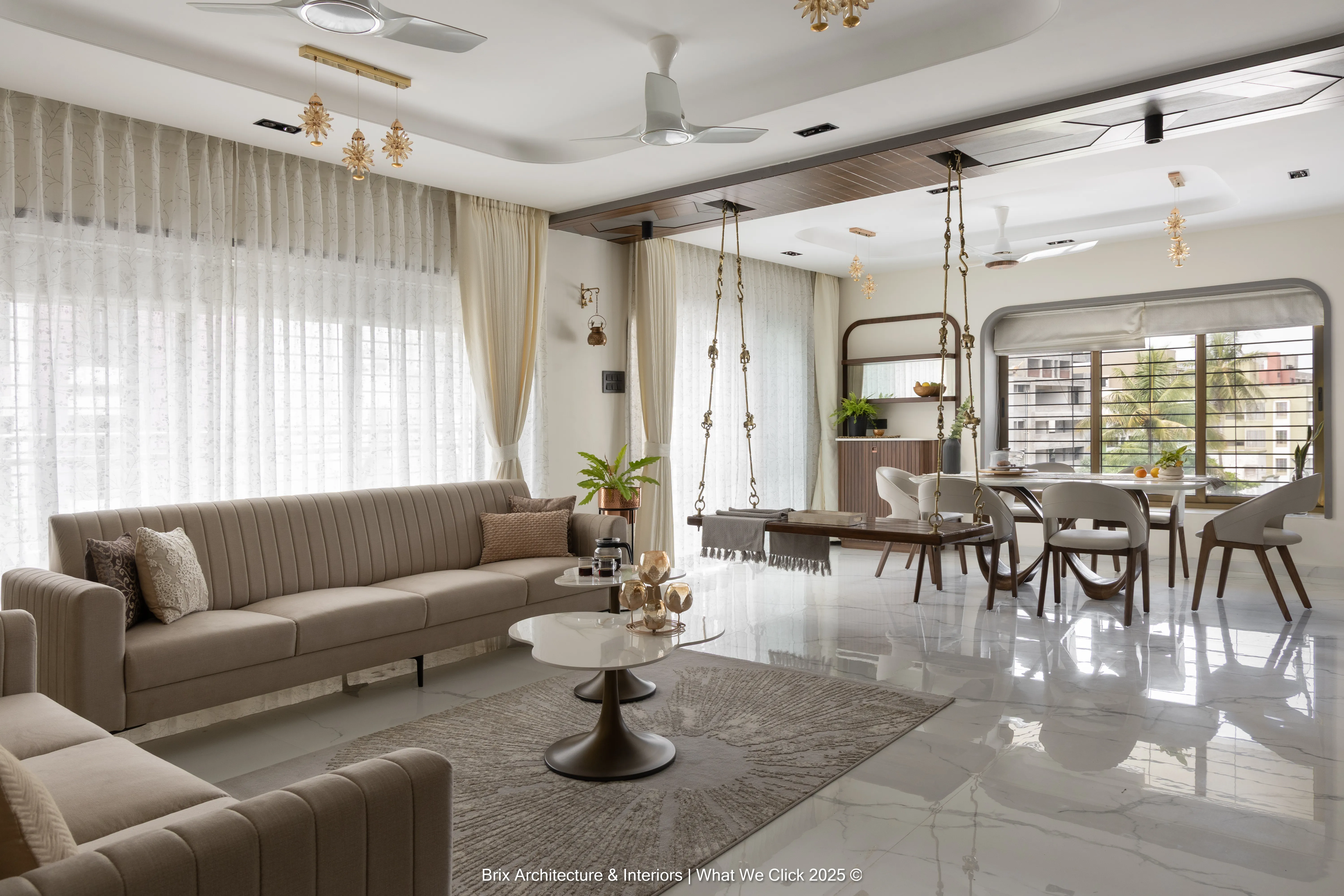
Luxury home design is evolving. Today, premium interiors are not defined only by expensive finishes, statement furniture, or elaborate décor. Increasingly, homeowners are looking for spaces that combine beauty, comfort, quality, wellness, and environmental responsibility.
This is where sustainable interior design becomes important.
Sustainable eco-friendly interior design for premium homes focuses on making thoughtful decisions about materials, energy use, lighting, water, furniture, indoor air quality, and long-term functionality. The objective is not to compromise on aesthetics, but to create a home that feels sophisticated while making more responsible design choices.
For homeowners in Pune who value both luxury and sustainability, an environmentally conscious interior can offer a more meaningful approach to modern living.
At Brix Architecture & Interiors, we believe premium design should be intentional. Every material, colour, piece of furniture, lighting element, and spatial decision should contribute to a home that is beautiful, functional, comfortable, and designed to last.
Sustainable interior design considers the environmental and practical impact of design decisions throughout the life of a home.
This includes looking at:
Sustainability does not mean that every material in a home must be completely natural or that luxury finishes cannot be used.
Instead, it means making better-informed choices wherever practical.
A premium home can still have beautiful stone, elegant wood, sophisticated lighting and customised furniture while incorporating sustainable principles into the overall design.
At first glance, luxury and sustainability may appear to be opposing concepts. One seems associated with premium materials and abundance, while the other suggests reducing consumption.
In thoughtful interior design, however, the two can complement each other.
A sustainable approach encourages homeowners to invest in fewer, better-quality pieces instead of continuously replacing furniture and décor.
A well-crafted dining table, wardrobe, sofa or lighting fixture can become part of a home’s identity for many years.
Timeless interiors are less dependent on short-lived trends.
Instead of redesigning a home every few years, homeowners can select materials, furniture and colours that remain visually relevant over time.
Natural wood, stone, linen, wool, cork and other materials can introduce warmth and texture into a luxury interior.
Their natural variation can also make a space feel more authentic and personalised.
Sustainable design can also consider the quality of the indoor environment.
Low-emission finishes, appropriate ventilation, natural light, thermal comfort and carefully selected materials can contribute to a more pleasant living environment.
Energy-efficient lighting, water-saving fixtures, intelligent controls and passive design strategies can reduce unnecessary resource consumption.
The result is a home designed around both comfort and responsible use of resources.
Ask for the VOC rating on paints, laminates and adhesives — it’s a simple question and a good supplier will answer it without hesitation. That new-home smell is not something you want to live with for months.
Material selection is one of the most important aspects of an eco-friendly interior.
A material should not be considered sustainable simply because it is labelled “natural” or “green.” Designers should consider factors such as sourcing, manufacturing, transportation, durability, maintenance and end-of-life possibilities.
Flooring has a major visual impact on an interior, making it an important opportunity for responsible material selection.
Depending on the project, options can include:
Engineered wood can provide the warmth and appearance of natural timber while using a layered construction.
Where available, responsibly sourced or certified wood products can be considered based on the project’s requirements.
Bamboo is a rapidly renewable material and can provide a distinctive natural appearance.
Its suitability depends on the product quality, manufacturing process, finish and intended application.
Cork offers a warm and comfortable surface and can provide useful acoustic properties.
It can be an interesting choice for bedrooms, studies or other spaces where softness and comfort are important.
Reclaimed wood can bring history and character into a premium interior.
Because it reuses existing material, it can reduce the need for newly sourced timber while creating a highly distinctive visual element.
Long-lasting porcelain or ceramic tiles can also support a more sustainable approach when selected for durability and appropriate application.
The best flooring material depends on the home’s design, maintenance expectations, budget and lifestyle.
Walls provide another opportunity to combine aesthetics with responsible material selection.
Paints and coatings with low volatile organic compound emissions can be considered where indoor air quality is an important design priority.
A sophisticated colour palette can still be achieved without relying exclusively on conventional high-emission finishes.
Clay and other natural plaster finishes can add depth and texture to walls.
Their handmade appearance can work particularly well with modern, earthy, minimalist and contemporary interiors.
Grasscloth, jute, seagrass and other natural-fibre wallcoverings can introduce texture and visual warmth.
They can work especially well as feature walls in bedrooms, dining areas or living spaces.
Reclaimed timber can be used selectively as a feature element rather than covering an entire room.
This can create a strong visual focal point while keeping the material palette controlled.
The kitchen is one of the most heavily used areas of a home, making durability and functionality particularly important.
A sustainable luxury kitchen can combine:
Depending on the project, homeowners can explore options such as:
The right choice depends on durability, maintenance, appearance, availability and budget.
Cabinet construction should be considered carefully.
Look for:
Responsible material sourcingDurable hardwareLow-emission finishesReplaceable componentsEfficient internal storageLong-lasting construction
A kitchen that remains functional for many years can reduce the need for frequent renovation.
Bathrooms combine water consumption, lighting, fixtures, finishes and ventilation, making them another important area for sustainable planning.
Consider:
Water-efficient tapsEfficient shower fixturesDual-flush toiletsDurable tilesLong-lasting sanitarywareEfficient LED lightingProper ventilationMoisture-resistant materialsRepairable hardwareThoughtful storage
Sustainability should never come at the expense of hygiene or functionality. Materials need to be selected according to the demanding conditions of bathroom environments.
Sustainable interiors are not only about choosing environmentally preferable materials.
How a home consumes energy is equally important.
LED lighting is an obvious starting point for an efficient lighting strategy.
However, energy efficiency also depends on how the lighting system is designed.
A layered lighting plan can combine:
Ambient lightingTask lightingAccent lightingDecorative lightingNatural daylight
Dimmers and smart controls can further help homeowners use lighting according to actual requirements.
Natural light can reduce dependence on artificial lighting during the day while improving the atmosphere of a home.
Interior planning can consider:
The objective is to bring daylight deeper into the home without compromising privacy or comfort.
Smart controls can provide greater control over energy consumption.
Possible solutions include:
Occupancy sensorsDimmersTimersAutomated scenesDaylight-based controlsApp-based controls
Technology should remain integrated with the design rather than becoming visually distracting.
For a deeper look at this approach, homeowners can explore our energy efficiency in home resources.
In Pune, a lot of comfort comes free from orientation. Before adding an AC point, check which windows can open opposite each other. A cross breeze through a living room does more than most people expect.
Good sustainable design starts before furniture and finishes are selected.
Passive strategies can help improve comfort and reduce dependence on mechanical systems.
Depending on the property, designers can consider:
OrientationWindow placementShadingCross ventilationSolar heat managementThermal massInsulationNatural ventilationDaylight availability
These decisions are especially valuable when sustainability is considered during the early stages of architecture and interior planning.
Water conservation is another important part of environmentally responsible home design.
Water-saving fixtures can reduce unnecessary consumption while maintaining everyday functionality.
Options can include:
Low-flow tapsEfficient showerheadsSensor-controlled faucetsDual-flush toilets
Kitchen planning can also support responsible water use through efficient fixtures and practical workflow.
For villas, bungalows and larger premium properties, landscape planning can incorporate:
The best approach depends on the property’s architecture, landscape and local conditions.
Sustainability should extend beyond architecture and fixed finishes.
Furniture can have a major impact on the overall environmental footprint of an interior.
Where possible, homeowners can consider furniture made from responsibly sourced timber or reclaimed wood.
Good craftsmanship is important because furniture designed to last reduces the need for frequent replacement.
For upholstery and soft furnishings, options may include:
The final choice should consider durability, maintenance and the intended use of the furniture.
Low-cost furniture designed for short-term use may need frequent replacement.
A more sustainable luxury approach focuses on:
CraftsmanshipRepairabilityTimeless designDurable constructionQuality materials
The objective is to create furniture that becomes part of the home’s long-term design rather than disposable décor.
Tell us what matters to you — materials, energy, air quality or reuse. We’ll show you where it makes the biggest difference in your home.
A luxury home should feel good not only visually but physically.
Indoor air quality can be influenced by materials, ventilation, cleaning products, furnishings and HVAC systems.
Where appropriate, consider low-emission:
PaintsAdhesivesSealantsFlooringWood finishesComposite materials
Natural ventilation can be incorporated where the building and climate allow it.
Mechanical ventilation and air filtration can also be considered according to the home’s requirements.
Choosing materials carefully can reduce unnecessary emissions from finishes and furnishings.
A professional designer can help homeowners understand the available options and the practical trade-offs involved.
One of the biggest misconceptions about sustainable design is that it requires sacrificing visual appeal.
It does not.
In fact, sustainable design can create a particularly sophisticated aesthetic.
Timber, stone, linen, wool, cork and other natural materials can introduce depth and tactile richness.
A restrained material palette can create a sophisticated environment that does not depend on rapidly changing trends.
Custom craftsmanship, thoughtful detailing and quality construction can create a stronger sense of luxury than simply adding expensive decorative objects.
Natural variation can give materials individuality.
A piece of reclaimed wood or natural stone may have characteristics that cannot be replicated by mass-produced finishes.
This is where sustainability and luxury can work together: luxury becomes a matter of quality, intention and longevity rather than excess.
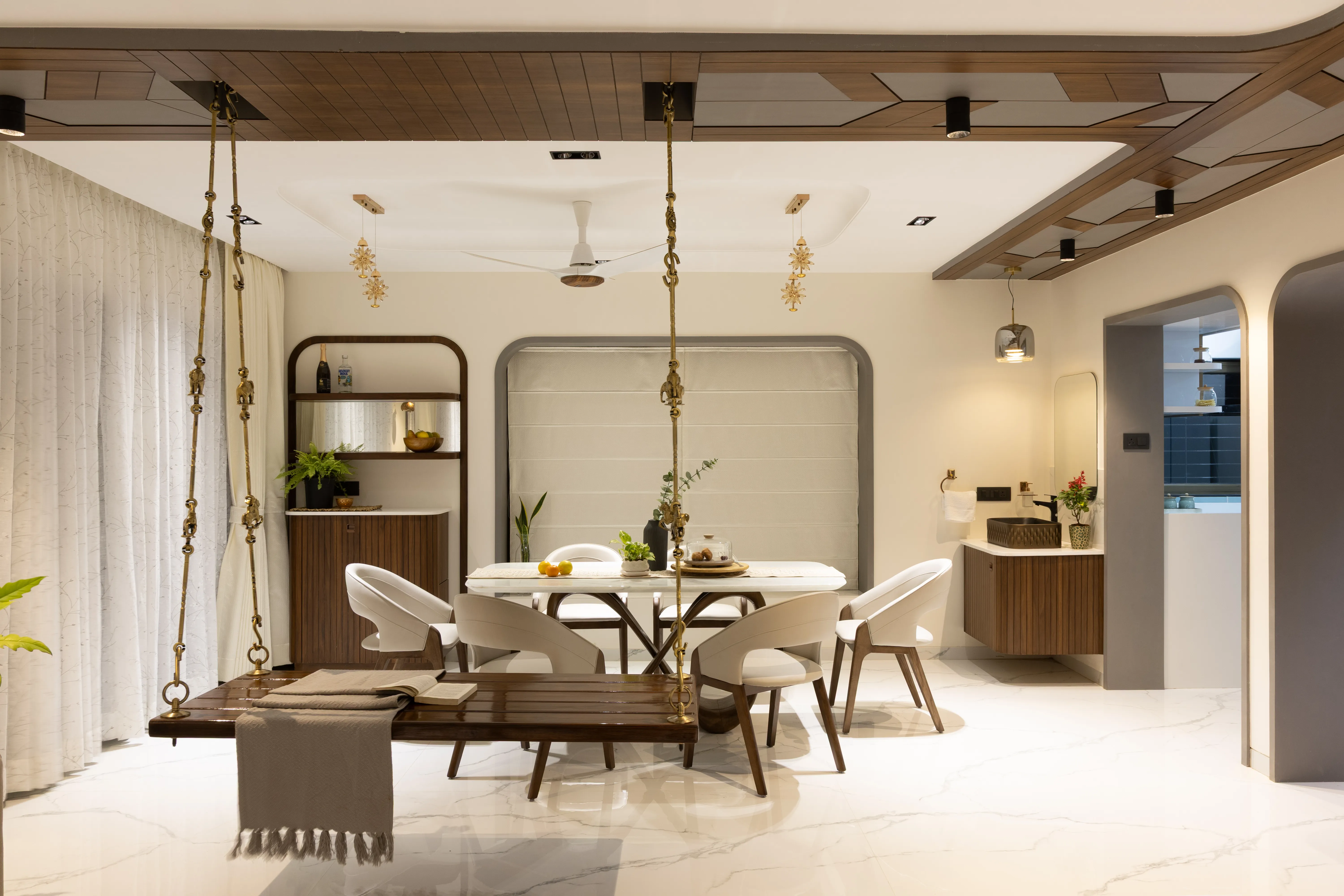
Sustainability does not dictate one particular aesthetic.
It can be incorporated into many design directions.
Clean lines, natural textures, neutral colours and efficient lighting can create a sophisticated contemporary home.
Minimalism naturally complements sustainable thinking by reducing unnecessary furniture, materials and decoration.
Natural wood, stone, linen, earthy colours and soft lighting can create a calm and comfortable atmosphere.
Traditional details can be combined with contemporary sustainable materials to create an interior that feels both timeless and current.
Japandi-inspired interiors can pair simplicity with natural materials, functional furniture, warm timber and restrained décor.
The sustainability strategy should change according to the type of property.
Apartments may focus on:
Efficient lightingSmart storageDurable finishesLow-emission materialsEnergy-efficient appliancesNatural daylightSpace optimisation
Villas offer more opportunities for:
Passive designLandscape integrationSolar strategiesRainwater managementNatural ventilationLarger daylight openingsOutdoor-indoor connections
Bungalows can benefit from careful orientation, natural ventilation, durable materials and strong connections between internal and external spaces.
Farmhouses can embrace natural materials, reclaimed elements, earthy palettes, passive cooling strategies and landscape-sensitive design.
The design approach should always respond to the specific site and architectural context.
You do not need to redesign an entire home to start making more responsible choices.
Consider these practical improvements:
Sustainability is often achieved through many smaller decisions rather than one dramatic change.
For premium homes in Pune, sustainability should be considered in relation to the local climate, building type, orientation, lifestyle and available resources.
An interior designer can help coordinate sustainability with practical requirements such as:
Natural lightVentilationCooling requirementsMaterial availabilityMaintenanceWater useSmart home technologyFurniture selection
For homeowners looking for sustainable interior design solutions in Pune, the objective should be a comfortable home that responds to its environment while maintaining the desired level of luxury.
Sustainability can also be misunderstood.
A natural material may still have significant environmental impacts depending on sourcing, processing and transportation.
Throwing away perfectly usable furniture simply to create a “green” interior can create unnecessary waste.
Reuse and adaptation should be considered where practical.
Marketing claims should be evaluated carefully.
Certifications, manufacturer information, sourcing and product specifications can provide better insight.
A material that requires frequent replacement may have a greater long-term impact than a durable alternative.
Sustainability also involves energy, water, ventilation, lighting, furniture, maintenance and long-term adaptability.
Choosing the right designer is important when sustainability is a significant part of your project.
Look for a design professional who understands:
Sustainable materialsMaterial sourcingLow-emission finishesEnergy-efficient lightingPassive design principlesWater efficiencyIndoor air qualityLong-term material performanceResponsible sourcing
Ask questions about the reasoning behind material recommendations rather than simply asking whether a product is “eco-friendly.”
A good designer should also be transparent about compromises. Not every sustainable option will be appropriate for every project.
At Brix Architecture & Interiors, we approach interior design as a combination of aesthetics, functionality and thoughtful planning.
For homeowners interested in sustainable luxury, the design process can explore:
Responsible material selectionEfficient space planningNatural light optimisationEnergy-conscious lightingSmart home integrationDurable furnitureLow-emission finishesPractical storageLong-term design adaptability
Our approach is to understand the homeowner’s priorities first and then develop a design that balances those priorities with the realities of the property, budget and lifestyle.
Explore our luxury design expertise to understand how premium interiors can be approached through thoughtful design and detailing.
We begin by understanding your property, lifestyle, design preferences, sustainability goals, budget and expectations.
The property is evaluated to identify opportunities related to natural light, ventilation, materials, storage, energy use and spatial planning.
Design concepts are developed around your aesthetic preferences and sustainability priorities.
Materials are evaluated based on appearance, performance, durability, maintenance, availability and sustainability considerations.
For homeowners interested in understanding material choices in greater detail, our sustainable material guide can provide useful context.
Layouts, material palettes, furniture concepts, lighting and 3D visualisation can be developed to help you understand the proposed interior.
Detailed drawings and specifications help translate the design concept into an executable project.
The approved design is coordinated with contractors, vendors and site teams to maintain consistency between the design and the final execution.
Sustainable eco-friendly interior design focuses on reducing unnecessary environmental impact through thoughtful choices related to materials, energy, water, furniture, indoor air quality, durability and long-term use.
Yes. Sustainable interiors can be highly sophisticated. Natural materials, craftsmanship, high-quality detailing, thoughtful lighting and timeless design can all contribute to a luxury aesthetic.
Depending on the project, options can include responsibly sourced timber, reclaimed wood, bamboo, cork, natural stone, recycled-content materials, natural textiles and low-emission finishes.
The cost depends on the materials, scope and specifications selected. Some sustainable products may have higher initial costs, while other strategies—such as durability, efficient lighting and reuse—can be implemented without significantly increasing the project budget.
Yes. Existing homes can be improved through measures such as efficient lighting, water-saving fixtures, low-emission finishes, better daylight use, durable furniture, smart controls and improved ventilation where practical.
Absolutely. Apartments can incorporate sustainable strategies through material selection, lighting, storage, energy efficiency, furniture choices and efficient use of available space.
Start by discussing your lifestyle, property, design preferences, sustainability priorities, budget and timeline with an experienced interior design professional.
The definition of luxury is changing.
Homeowners increasingly want interiors that feel personal, comfortable and meaningful rather than simply expensive. Sustainability fits naturally into this evolution because it encourages homeowners to think about quality, longevity, resource efficiency and responsible choices.
The luxury home of the future is not necessarily the home with the most materials.
It is the home where every decision has a purpose.
Sustainable interior design demonstrates that environmental responsibility and sophisticated living can coexist.
From responsibly selected materials and durable furniture to energy-efficient lighting, water-conscious fixtures, natural daylight and healthier interior finishes, there are many ways to create a premium home with a more thoughtful approach to design.
Whether you are designing a new apartment, villa, bungalow or farmhouse, Brix Architecture & Interiors can help you explore sustainable solutions that align with your aesthetic preferences and lifestyle.

Architects and interior designers at Brix Architecture & Interiors, Pune. We design and build homes, and we write these guides to help you ask better questions before you start.
Talk to a designer — the first consultation is free.
Bring your floor plan, a rough budget and your questions from this guide. We’ll go through them with you — no obligation, no hard sell.
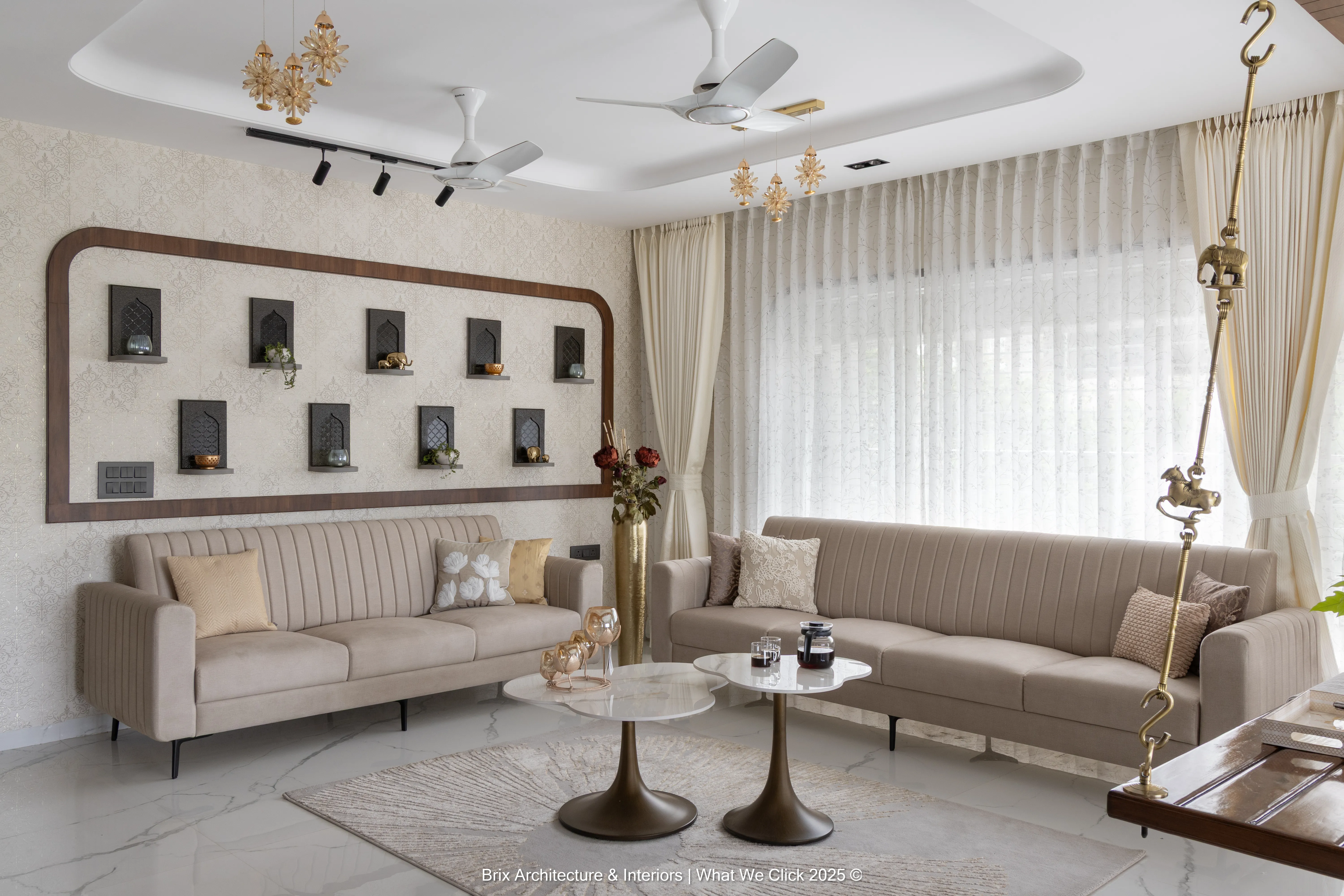
In a premium apartment the kitchen is part of the living room. Here’s how to plan one that cooks like a workspace and looks like furniture.

If you work from home, your desk is where a big part of your day happens. It deserves the same thought as your living room — maybe more.
Sustainable doesn’t mean sparse or rustic. The most responsible home is often the most luxurious one — built with fewer, better materials that last.
Have a question about your home? Do not hesitate to contact us.
Adding {{itemName}} to cart
Added {{itemName}} to cart